
Watercolour painting tips for beginners.
Starting with watercolor painting is all about learning to control water, layering colors, and practicing simple techniques to build confidence and skill.
Essential Materials
Paper
Use good-quality watercolour paper (140 lb/300 gsm is ideal) to prevent warping and allow colours to blend softly. Cold-pressed paper offers texture, while hot-pressed is smoother.
Brushes
Round brushes in various sizes are versatile for washes and details. A flat brush is useful for washes and broad strokes. Synthetic or natural hair brushes both work well for beginners.
Paints
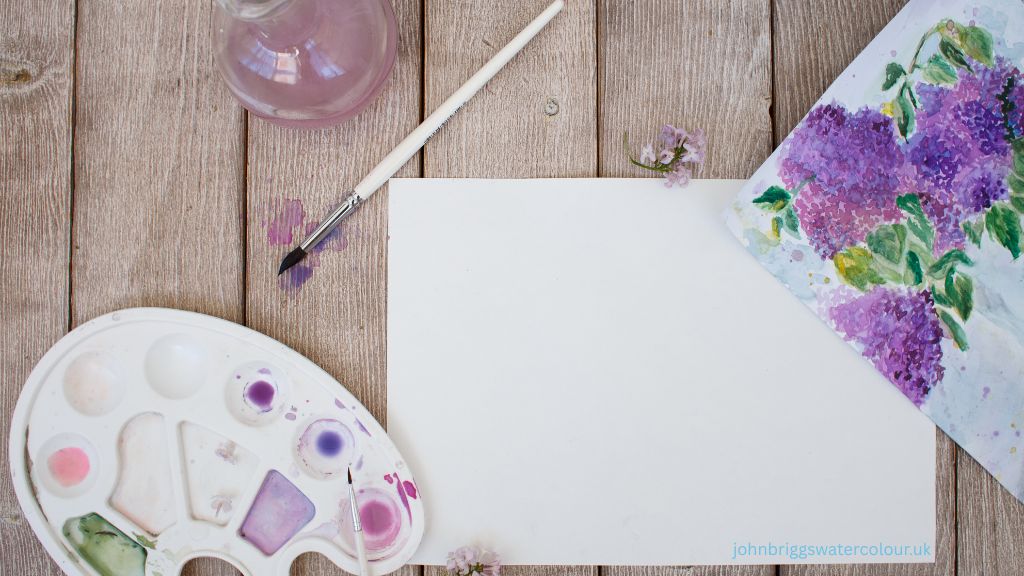
Start with a basic set of watercolour pans or tubes. Fewer colours are fine initially because you can mix your own. Learn the difference between transparent and opaque pigments.
Palette and water jars
Keep a separate jar for clean water and a palette for mixing colors. Paper towels or a sponge are useful for controlling water on your brush.
Basic Techniques
Wet-on-wet
Wet the paper with clean water before applying colour, resulting in soft, blended edges. Perfect for skies or abstract backgrounds.
Wet-on-dry
Apply colour directly onto dry paper for more control and sharper edges. Ideal for details and layered painting.
Layering and Glazing
Allow a wash to dry completely, then paint a new layer on top to create depth and interesting colour effects.
Dry brush
Use a small amount of paint on a dry brush to produce textured, grainy effects, useful for grass or rough surfaces.
Colour mixing
Practice mixing colours on the palette to create new shades and gradients. Understand basic colour theory, such as complementary and analogous colours.
Tips for Beginners
Start simple
Begin with small projects and limited colours to avoid overwhelm. Focus on basic subjects like fruits, flowers, or simple landscapes.
Practice control
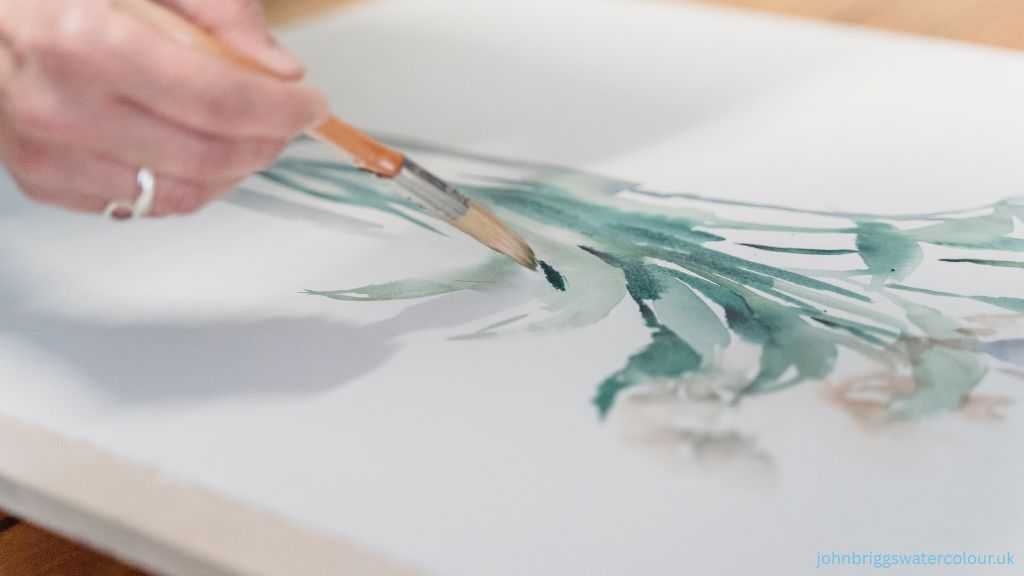
Water control is key. Experiment with how much water on the brush and paper affects colour intensity and blending.
Embrace mistakes
Watercolour has a mind of its own. Mistakes can lead to happy accidents and unique textures.
Plan your painting
Light areas are difficult to cover later, so plan highlights and whites in advance using the paper colour or masking fluid.
Keep it light
Build up colour gradually; multiple light layers usually look better than thick, dark paint applied all at once.
By practicing these techniques and experimenting with brushes, paper, and washes, beginners can gradually develop skill and confidence in watercolour painting while enjoying the unpredictability and beauty of the medium.
Starting with small sketches, simple objects, and daily exercises can accelerate learning and improve understanding of water control and colour blending.